
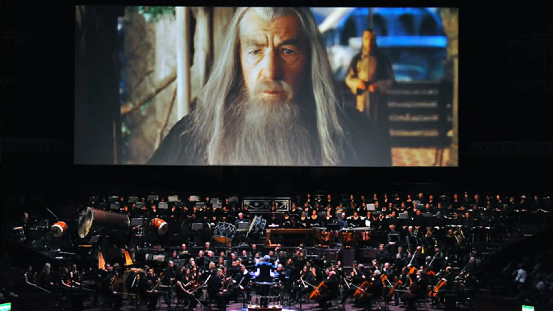
Music is an essential element in everyday life and in the creation of art. It has an incredible power to subtly shape moods, inspire emotions, and even change our experiences. In the world of film, music plays an even more important role. If used properly, it can not only increase tension, evoke deep emotions, but also inject rhythm into the narrative of the film. Music is more than just background music, it is a key element that enhances the storytelling and is at the core of the film experience, making the audience feel as if they are in the film.
But have you ever wondered how music in a film works? How does it tie in with the plot, emotions, and visual elements of a film to transport the audience into another world? This blog post will take you deep into the core role of music in film. We will review the historical evolution of film scores, from the earliest silent film era to today’s complex soundtrack creation, revealing how composers use music to deepen narratives, amplify emotional depth, and even influence popular culture. Whether you are a movie lover, a music fan, or someone who is interested in the creative process, this journey about film scores will surely make you re-examine the relationship between music and film.
The History of Music in Film: The Transition from Silent to Sound
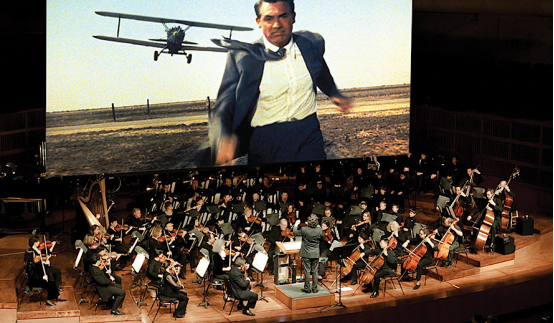
The history of film music is actually a history of the co-evolution of technology and art. Since the silent film era in the late 19th and early 20th centuries, music has become an important part of film narrative. At that time, movies were not completely “silent” – they relied on live bands or pianists to compose the pictures, making the action on the screen more vivid and emotional. Can you imagine the atmosphere of live performance in the theater and the emotional touch it brings to the audience?
Classic silent films such as The Phantom of the Opera and Metropolis are famous for their exquisite musical accompaniment. They have no dialogues, only music that guides the audience’s emotions through each melody. Music has almost become the most direct language of the film, filling the gaps in the plot, allowing us to feel the inner fluctuations of the characters and the vibrations of the world without words.
However, in the 1920s, the technology of movies had a revolutionary breakthrough – the birth of sound films. The most representative one is undoubtedly “The Jazz Singer” in 1927, which marked the leap from silent to sound films and ushered in a new era of synchronized soundtracks. Imagine that in the past, movies only conveyed emotions through pictures and body language, but the arrival of sound films made the soundtrack synchronized with the pictures. Composers were no longer limited to simple background music, but could create complex and timed soundtracks to emphasize emotions and advance the story.
The Dance of Music and Narrative: The Magic of Composers
What is it about movie soundtracks that makes them so powerful? It is not just a background sound, but the emotional engine of the movie. Composers use music to strengthen the narrative, convey emotions, shape characters, and even predict the development of the plot. For example, John Williams’ iconic theme song for “Star Wars” has almost become synonymous with “Empire”. Whenever the majestic melody sounds, you can’t help but feel a strong sense of oppression, which is the majesty and terror of the empire conveyed by the music.
In turn, certain music in movies can also be carefully designed to subtly reveal the inner world of the characters and even foreshadow the fate they are about to face. Take the soundtrack of The Godfather, for example. Nino Rota’s music changes as Michael Corleone gradually transforms from an innocent young man to a ruthless gangster. The melody that fades away seems to foreshadow his “fall”. It is not just background, it is an emotional witness to Michael’s transformation.

The evolution of film soundtracks: driven by both technology and emotion
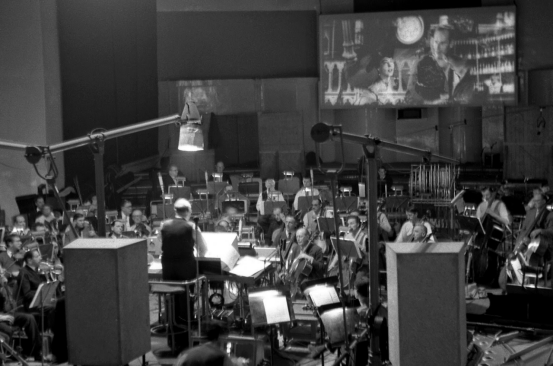
As film production technology continues to advance, the role of music has become more and more significant. From live performances in the silent film era to synchronized soundtracks in the sound film era, to the multi-layered and rich soundtrack design in modern films, the changes in film soundtracks have accompanied every breakthrough in film technology. The emergence of composers such as Max Steiner, Bernard Herrmann, and John Williams has brought revolutionary innovations to film soundtracks.
Max Steiner is considered the “father of film score”. The music he composed for “King Kong” is a groundbreaking work, marking the theme song as the core of film score.
Bernard Herrmann is famous for his score for Psycho, in which he successfully created an extremely tense atmosphere in the film through the use of soaring string music.
John Williams ‘s works, such as Star Wars and Indiana Jones, show how he can perfectly blend personal emotions with grand narratives while creating majestic symphonies.
These composers not only changed the face of film music, their music also profoundly influenced the emotional expression and narrative style of the film, becoming an inseparable part of it.
Deep integration of music and film: emotional resonance and narrative enhancement
Music is a powerful tool for expressing emotions in movies. It can move the audience’s emotions through various details. In “Jaws”, John Williams used simple and powerful melodies to vividly render the terrifying atmosphere of sharks – the creepy theme music made the audience feel the impending danger even before the shark appeared. In this way, music can bring great psychological impact to the audience without visual presentation.
In many films, music also plays a role in revealing the underlying plot. Think of the soundtrack in Blade Runner, where Hans Zimmer created a futuristic atmosphere through electronic sound effects, instantly bringing the audience into a distant future world. Similarly, in La La Land, music evokes nostalgia for past times and the pursuit of dreams through retro jazz melodies.
Not only that, music can also reveal the inner changes of characters through clever repetition and variation. At the climax or turning point of the film, music usually brings emotional ups and downs and impacts to the audience through rising pitch, accelerating or slowing down the rhythm. Think about how the theme song of “Titanic” brought unspeakable emotional depth through the ups and downs of music in that tragic shipwreck scene.
Conclusion: The Lasting Impact of Film Scores
Overall, film scores are a powerful art form that transcends mere background music and becomes an integral part of a film’s ability to tell emotions, build character, and drive the story. From the opening theme of Star Wars to the “Hope” melody from The Shawshank Redemption, every iconic film score has an impact on our emotions and memories.
The music in a movie can break the language barrier and establish a deep emotional connection with the audience. It not only enhances the narrative tension, but also adds emotional layers to the movie, creating a richer and more memorable viewing experience. This is the unique charm of movie soundtracks.