

Opera, an ancient art form that integrates music, drama, and stage art, has become a treasure of human culture since its birth. Its history is not only a history of the combination of music and drama, but also a microcosm of emotional fluctuations and social changes. From the initial exploration in Italy in the 16th century to the brilliant performances around the world today, every step of the development of opera has profoundly influenced and reflected social changes and the style of the times.
Origins: Italy’s Glory and Europe’s Awakening
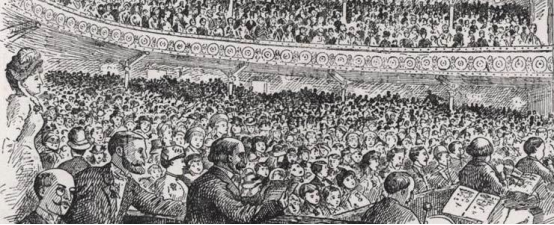
The story of opera seems to be an unexpected encounter. At the end of the 16th century, a group of musicians, playwrights and nobles in Florence, Italy, yearned for ancient Greek drama and tried to use music to recreate that glorious era. Who would have thought that this attempt, originally intended for revival, would actually start an artistic revolution. In 1597, “Daphne” written by Jacob Peri was considered one of the earliest opera works, marking the birth of the form of opera. Since then, opera has quickly swept across Europe and become a part of the cultural life of the upper class, and even affected the aesthetics and entertainment of ordinary people. People in different regions have different understandings and acceptance of opera, forming two completely different schools: one is the rich and solemn “opera seria”, and the other is the humorous and down-to-earth “opera buffa”. The interweaving and collision of these two styles enriched the expressiveness of opera and laid a solid foundation for its subsequent development.
Entering the Baroque period, opera became more luxurious, and the plot became more complex and dramatic. The luxurious scenes, gorgeous music, and complex stage design all reflected the superstructure and cultural tastes of the society at that time. Composers such as Handel and Monteverdi flourished during this period. Their works were not only a display of music, but also a profound transmission of emotions. Handel’s “Julius Caesar” and Monteverdi’s “Orfeo” have won wide acclaim for their superb skills and profound emotions. The emotional tension and drama of the operas of this period almost reached the extreme, full of indescribable charm.

Classical period: a combination of refinement and rationality
When the mid-18th century came, the luxurious Baroque style gradually gave way to a more refined, rational and elegant classical style. The creation of opera also entered a new stage. In this stage, opera was no longer limited to mythological or religious themes, and more and more daily life and humanized plots were included in the works. The melody of the song was no longer independent, but more integrated into the overall plot and character development. Speaking of this period, Mozart is undoubtedly one of the most representative figures. His works such as “The Marriage of Figaro” and “The Magic Flute” incorporate wisdom and humor into them, not only reaching the peak in music, but also showing unprecedented artistic talent in plot structure and character creation. Mozart’s operas are fresh, witty and full of irony, and their distinctive social criticism makes them classics of classical opera.
At the same time, composer Christoph Willibald Gluck became one of the pioneers of opera innovation. His reform of opera made opera more concise and natural. He advocated using simpler and more direct ways to express character emotions, making the dramatic emotions of opera more real and moving. Gluck’s “Orfeo and Euridice” is a groundbreaking work. It removes excessive gorgeous decorations and pays more attention to the integration of music and script, giving the audience a refreshing feeling.

Romantic period: emotional publicity and outburst
The Romantic period of opera is the most intense and emotionally rich period in the history of opera. With the advent of the 19th century, musicians began to pay more attention to the inner depth of emotion and the individual characteristics of characters. Opera’s performance is not limited to society, history or mythology. It began to explore more profound themes related to human nature and emotions. Whether it is Verdi in Italy or Wagner in Germany, their works show strong emotional impact and musical tension. Verdi’s “La Traviata” tells the story of love and sacrifice, while Wagner’s “The Ring of the Nibelung” opened up a new form of “musical drama”, leaving a strong mark in the history of opera. Wagner’s five-hour masterpiece shocked the entire opera world with its complex structure, unparalleled harmony and profound philosophical thoughts.
Puccini’s operas, such as Madame Butterfly and La Bohème, are closer to the lives of ordinary people. Through tragic and dramatic love stories, he allows the audience to feel the warmth and pain of every relationship. Those deep-rooted melodies, suppressed emotions, and inescapable fates still touch people’s hearts today.
Modern Opera: Breakthrough and Integration
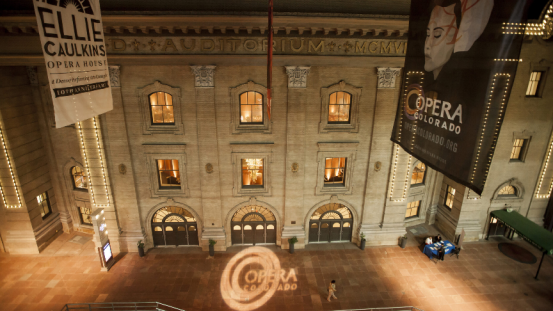
At the beginning of the 20th century, opera entered a period of change and innovation. The introduction of atonality, experimental music, and electronic music brought great challenges and changes to the traditional opera form. Composers such as Arnold Schoenberg and Bertolt Britten broke the boundaries of traditional opera by integrating modern musical means. Schoenberg’s atonal opera and Britten’s “Peter Grimes” showed a great breakthrough in opera art from form to content.
However, despite the bold innovations in form, modern opera still faces many challenges, especially in the rapid changes in mass culture and entertainment consumption, opera seems to have gradually lost its former appeal and market. Audience preferences are more diversified, and young people’s interest in traditional opera is gradually waning. How to make opera resonate with contemporary audiences has become a question that many artists are constantly thinking about. At the same time, modern opera also actively absorbs elements from different art forms, combining technology with stage effects to provide a full range of visual and auditory experiences.
The future of opera: new challenges and opportunities
Today, the future of opera is full of uncertainties. With the development of technology, especially the application of virtual reality and augmented reality, the form of opera has undergone tremendous changes. The trend of globalization has also allowed opera to break through regional and cultural boundaries. Opera forms from different countries and regions have merged and collided with each other, showing unprecedented diversity. And all these changes are not only technological innovations, but also a bold redefinition of opera traditions. Opera is no longer a high-end art form. It has become more open and inclusive. More and more opera works about social issues, personal identity, and political struggles have been born, showing a look that is in sync with the times.
But at the same time, opera is also facing huge challenges. How to find a balance between high production costs and limited audience groups? How to ensure that opera continues to maintain its artistic value and connect with contemporary culture? There are still no ready-made answers to these questions. But it is precisely these challenges that inspire opera to continue to innovate and attract a new generation of artists to join.
Conclusion
Opera, an art form that spans centuries, has long surpassed simple artistic expression. It is a witness and expresser of human emotions and culture. Whether on a grand theater stage or with the assistance of modern technology, opera can always touch our hearts in its own unique way, reflecting the deepest emotions of mankind and the pulse of society. In the future, opera will still be a field full of possibilities and changes, and it will continue to interpret eternal stories on the stage of art.