
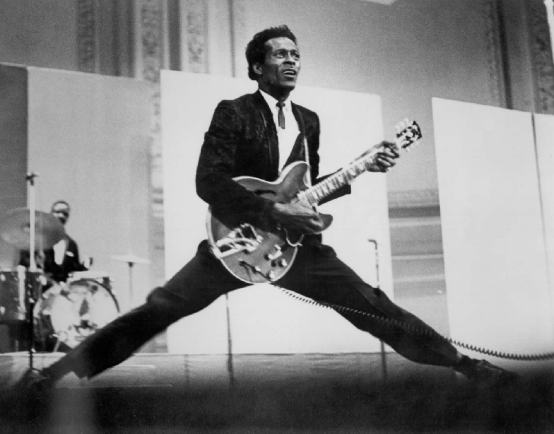
Rock and roll, a name full of power and passion, seems to be closely linked to rebellion, freedom and innovation from the very beginning. Have you ever thought that the origin of rock and roll is so unexpected? Alan Freed, a little-known disc jockey, first proposed the term “rock and roll” in the early 1950s, creating an unprecedented music revolution. However, the foundation of all this is deeply rooted in the music tradition of black people! This is a movement that transcends race and class, a cultural change that is destined to rewrite history.
In that era, social classes remained unchanged and racial barriers profoundly affected everyone’s life. But Freed dared to break through the invisible boundary and bravely recommended the music of black artists to white audiences. This courage broke the shackles of history and brought endless possibilities to later music creation. From Chuck Berry to Little Richard, the works of each musician, to some extent, declared to this conservative society: “We want to be different, we want to speak for ourselves.”
Can you imagine that in that era of racial segregation and social barriers, this kind of music that transcends race and class could become a symbol of the times? The birth of rock music is synonymous with rebellion and free will. It is not just a musical style, it also represents a generation’s challenge to a closed society and a desire for personal liberation. Looking at those free-spirited black artists, don’t young white listeners also say to themselves in their hearts: “This is the sound I want! This is the true cry of our hearts!”
With Chuck Berry’s loud guitar playing and Little Richard’s wild voice, the fire of rock music spread quickly and ignited the whole world. It not only stirred up thousands of waves in the driveways, streets, and homes of the United States, but also set off a storm of music and culture around the world.

Cultural and social upheaval: the transformative power of rock
The influence of rock music does not stop at the changes in notes and melodies. In the 1960s, at a time of social change and political turmoil, it reflected the pursuit of freedom, rebellion, and ideals of that generation in a unique way. The civil rights movement became more intense, anti-war sentiment was growing, and the spiritual outlook of society was quietly changing. And rock music just became the booster of this social storm.
Can you imagine? The music of legendary bands such as the Beatles and the Rolling Stones is not just about the ups and downs of the melody. They also carry the emotions and calls for change of that generation. Whether it is the Beatles’ “All You Need is Love” or the Rolling Stones’ “Sympathy for the Devil”, their music is not only about love, rebellion or freedom, but also about the difficulties and hopes of that era. Isn’t rock music a direct response of that generation of young people to injustice and oppression?
Music became their weapon against authority and injustice. Jimi Hendrix’s guitar burned like a flame, piercing through the dullness of society. The wildness and freedom permeated in those musical melodies almost made people hear the inner cry of that generation. Yes, rock music is no longer just entertainment, it has become the language of social change and a symbol of the times.
Woodstock Music Festival, this grand music festival in 1970, has become a landmark event in the history of rock music. Don’t you think that this is not just a concert, but more like a gathering of society and a call for the ideal of “love and peace” by young people around the world? There is no war, no hatred, only the power and resonance from the heart. Perhaps, it is through this “combination of music and ideals” that rock music has spread a new spiritual power in the world.

Technological innovation and the sound revolution of rock music
However, the charm of rock music does not only come from its revolutionary ideas, but also from the rapid development of music technology, which makes the sound of rock music extremely rich and shocking. Think about how the combination of electric guitar and amplifier provides the band with more deafening sound effects; how the introduction of distortion effects makes the guitar melody wilder and more shocking. Behind all this is the leap in technology.
It is these technological innovations that have revolutionized the sound landscape of rock music. The emergence of multi-track recording technology has not only liberated the creative space of artists, but also made music arrangements more diverse and complex. For example, Pink Floyd’s “The Dark Side of the Moon” has an experimental and rich sound effect, which is undoubtedly the result of great changes brought about by technological innovation. Can you feel that in the superposition of such sounds, it seems that what you hear is not only the collision of instruments, but also the surge of emotions of the times?
The sound of rock music has revolutionized the music industry. Without these technological breakthroughs, we might never have heard Jimi Hendrix’s soul-stirring guitar solos or felt such powerful vibrations in our speakers.
Globalization and the cross-cultural integration of rock
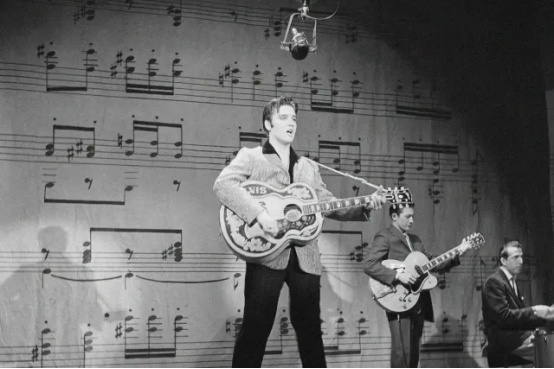
By the 1970s, rock music was no longer limited to the West, but had spread to every corner of the world. The spirit of rock music had transcended national boundaries and became the common language of global culture. From India to the Middle East, from Latin America to Southeast Asia, the melody and rhythm of rock music quietly penetrated into every culture.
Have you ever heard the melodies of Led Zeppelin’s music that are permeated with oriental mystical colors? They carry the rhythm of the Middle East and mix with western hard rock, which makes people wonder: how far can rock music go? Can it be like a bridge of cultural exchange, transcending all differences and barriers to connect different nations and regions? This cross-cultural integration makes rock music not only a form of music, but also a product of the collision of cultures from all over the world.
In South America, the rise of Latin rock has combined traditional Latin music with rock styles to create a new musical context. In Africa, rock music is combined with traditional percussion instruments to create a new form of musical expression. This cultural crossover and integration not only makes rock music more inclusive, but also allows it to be widely spread around the world.
The Diversification of Rock Music: From Genres to Fusion
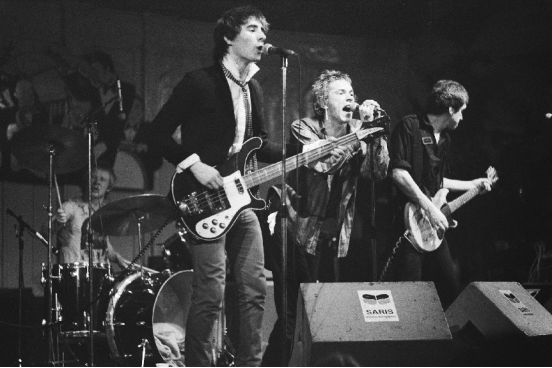
As time goes by, the styles of rock music become more diverse. From surf rock to heavy metal, from psychedelic rock to punk, the birth of each genre represents a breakthrough and innovation in musical language. Have you ever thought that it is the continuous exploration and experimentation of these musicians that makes rock music so colorful and layered?
In each new genre, rock music is like a constantly changing face, and each stage and each style represents different social emotions and cultural backgrounds. Whether it is hard rock in the 70s or independent rock in the 90s, they all reflect the mentality and trends of the society at that time to some extent. The changes in each genre are not only the evolution of music, but also the embodiment of social thoughts and emotions.
This change has allowed rock music to maintain a vigorous vitality, full of the power of exploration and change. Every transformation is a self-renewal, which allows rock music to never be bound by time and always be at the forefront of the times.
Conclusion: Where is the future of rock?
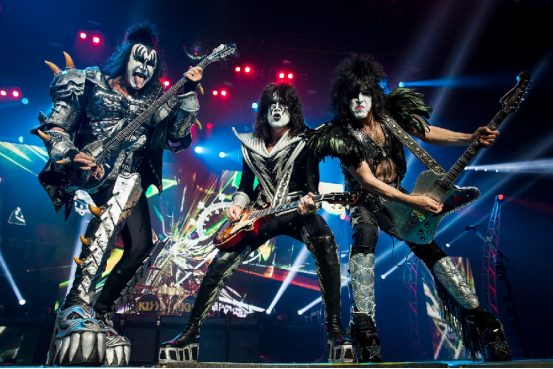
Today, rock music still stirs up waves around the world. It has not disappeared, but has entered more people’s lives in a brand new way. So, how will rock music be interpreted in the future? Will it continue to be rebellious and unruly, or will it gradually settle down in the tide of commercialization? No one knows the answer, but we can be sure that the core spirit of rock music – freedom, rebellion, and exploration – will never change.
With the development of technology and cultural exchange, rock music will continue to evolve and bring us new musical experiences. No matter how it changes, it will never lose its original intention: to explore and question oneself and the world. As the history of rock music tells us, its future will always be an unknown full of possibilities.