
How powerful is music, this seemingly invisible but extremely powerful art form? It can change people’s emotions and even promote changes in the entire society. Behind every historical trend and every social turmoil, music seems to be indispensable. Music is not only an expression of emotions, it is a catalyst for social movements and a clarion call for change. Whether it is the struggle in the civil rights movement, the cry in the anti-war movement, or the call for women’s liberation, music has always been like a surging force that runs through the pulse of the entire era. Can music really change the world? How can it penetrate the fog of the times and lead social change?
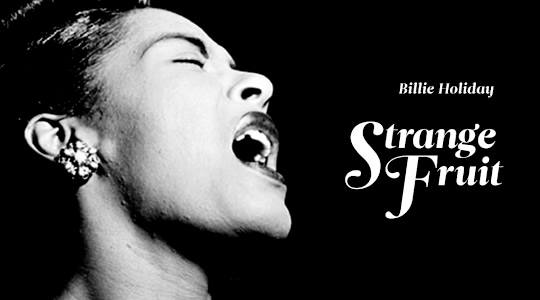
Civil Rights Movement: Music gave protesters courage and hope
In the 1960s, social contradictions were acute in the United States, and racial discrimination was still deeply rooted. The black community had long been in an oppressed position. Could their voices really be heard? Could their voices penetrate the layers of barriers and shake the nerves of power? All of this seemed so far away and difficult in that era. However, music became their sword to break through the silence.
“Strange Fruit”, a song sung by Bill Harver, echoes in almost every corner. The sad scene of “black bodies hanging from trees” in the lyrics breaks the hearts of countless people. It is not only a song, but also a wake-up call that rings through the soul, allowing people to see the cruelty of racist violence. Someone once asked: What can this song change? It not only reveals the facts, it arouses the anger deep in the hearts of countless people and inspires the resistance consciousness of more people.
At the same time, songs like James Brown’s “Say It Loud – I’m Black and I’m Proud” are a completely different force. When this song is played, the black community is no longer a silent victim, but a proud fighter, bravely shouting “I am black and I am proud of it.” Its melody, like a light, illuminates the souls of those trapped in oppression. It is not only a song, but also a call to action. Music has never been so inspiring, and the power of calling for freedom has never been so surging.
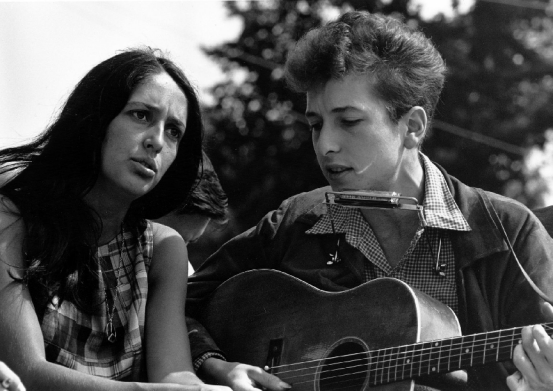
Anti-Vietnam War Movement: Can the Melody of Protest Change the Course of the War?
Time passed to the end of the 1960s, when the Vietnam War ignited a global anti-war wave. At that time, the United States was full of doubts and protests against the war, and young people stood up to express their anger at this meaningless war. Bob Dylan’s “Blowin’ in the Wind” was like a stream of fresh air, penetrating the rigidity of society at the time and asking questions that no one dared to ask: “What’s the answer that blows in the wind?” The cruelty of the war, the suffering of the people, and the questions of that era were all strongly interpreted in this song.
However, the war did not stop immediately because of the existence of this song. So, can the power of music really change the direction of war? John Lennon’s “Give Peace a Chance” gives us an answer. Lennon’s music is no longer a simple narrative, it is a counterattack against violence and a cry for peace. When he held high the flag of peace at the Woodstock Music Festival and led thousands of people to shout “Give peace a chance”, was it just the power of the song? No, it became a symbol of the anti-war movement and a resonance for anti-war activists around the world.
Since then, music is no longer a background, it has become the forefront of the struggle, music is no longer just an expression of emotion, but a clarion call to action. Every note tells the cry of an era.
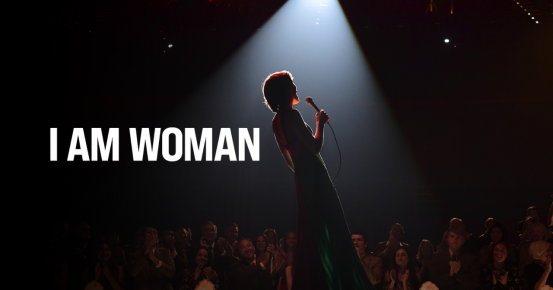
Women’s Liberation: How Music Gave Women a Voice
In the 1960s, the women’s liberation movement quietly emerged, and more and more women began to stand up for their rights: they longed for freedom, equality, and freedom from bondage. However, the stereotypes and oppression of women in society are still deeply rooted. What role did music play in this process?
Hayley Stewart’s “I Am Woman” became a battle song in the hearts of women of that era. Whenever this song was played, tens of thousands of women found their own strength in the song. They found their own voices in the song and found the courage to fight against gender discrimination. They shouted out their own names in the song – they are women, strong people, and the power to change the world.
This is not just the power of melody, but also a change in social cognition. Through this song, women are no longer a group that endures silently. They begin to protest with their voices and fight for their rightful status. Music is no longer passive, it is active and powerful. Yes, music is not just an art form, it can become a force that changes destiny.
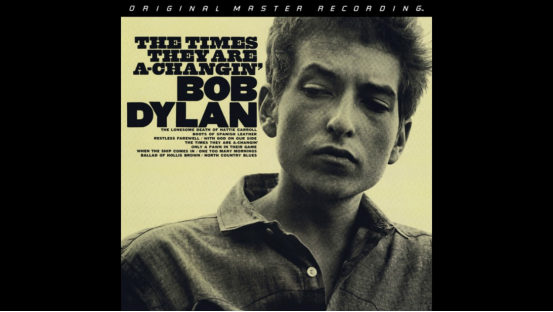
From hippies to contemporary protests: how music has moved change across time
Rebellion and ideals have always been the main theme of social movements. The rise of hippie culture is one of the symbols. In the 1960s, young people began to oppose the shackles of traditional society and all forces that oppressed individual freedom. During this period, music almost became their only way to communicate with the world.
“The Times They Are A-Changin'” is a song written by Bob Dylan for that era, full of expectations and calls for social transformation. When the song sounded, young people seemed to see a glimmer of hope: “Times are changing, and so are we.” At the Woodstock Music Festival, hundreds of thousands of young people gathered together. They had no gunpowder, no weapons, only music, and only a desire for love and a call for freedom.
However, today’s society is still full of injustice. Beyoncé’s “Formation” and Childish Gambino’s “This Is America”, whether they tell the suffering of the black community or reveal the deep racial discrimination in society, these works are no longer limited to music itself, they have become tools for protest, warning, and reflection. Does the power of music only stay between the notes? Obviously not. It has long surpassed this level and has become an important force for revealing social problems, inspiring thinking, and even promoting action.
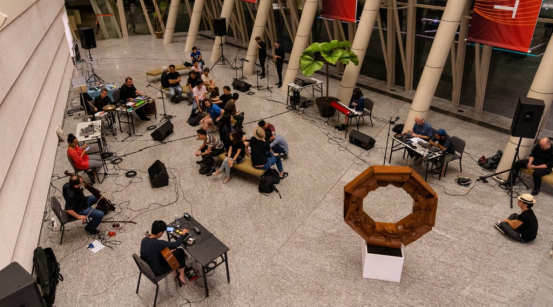
Conclusion: Music is not just a melody, it is the power of change
How powerful is music? Can it truly lead to change in social movements? There may be no easy answers to these questions, but one thing is clear: music has never stopped changing the world.
It is not only an expression of emotion, it is a call to action. Every song, every note, embodies the dreams, hopes and cries of countless people. It is a force that never retreats, it is a call to encourage people to move forward. Music not only flows in melodies, but also stirs in the tide of social change. It transcends time and crosses national boundaries, gathering all the forces fighting for justice.